
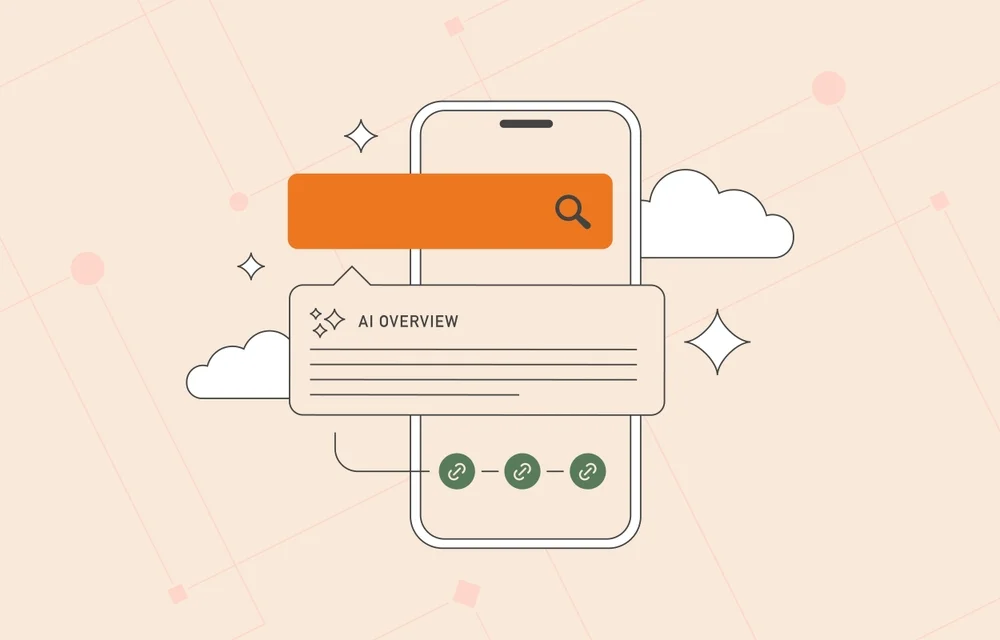
Search has quietly shifted from rankings to answers.
Your competitors are no longer just trying to outrank you.
They are trying to replace you inside the answer itself.
When someone asks ChatGPT or any AI search engine a question, it does not show a list. It selects, extracts, and assembles the most trustworthy information it can find.
That means one thing.
If your content is not being selected, your SEO is invisible.
This guide is built from real execution, not theory. It merges everything that is actually working right now to help brands:
• Appear inside AI answers
• Increase citation frequency
• Build dominance across AI search platforms
The AI Visibility Reality Most People Miss
AI does not rank pages.
AI selects answers.
It looks for:
• Content that can be extracted easily
• Brands it can verify confidently
• Sources it has seen repeatedly across the web
That is why most websites with good rankings still have zero AI visibility.
Because they are not optimized for extraction, trust, or repetition.
The AI Citation Formula (What Actually Gets You Picked)
If you simplify everything, AI citations come down to four signals working together:
• Extractability
• Fact density
• Entity trust
• External validation
If even one of these is weak, you get ignored.
The rest of this guide shows you how to build all four.
1. Write Content AI Can Extract Instantly
This is the most important lever.
AI does not read your page the way a human would.
It scans and pulls small answer blocks.
The structure that gets cited
• Question-based heading
• Direct answer in the first 1–2 sentences
• Supporting explanation after
Winning format
“[Query] is [Answer].”
Example
What is AI visibility SEO?
AI visibility SEO is the process of optimizing content so AI systems can extract, understand, and cite it in generated answers.
Execution checklist
• Every heading must answer a real question
• Every first paragraph must stand alone
• Every section must be understandable without context
What to avoid
• Long introductions before answering
• Fluffy explanations
• Keyword-first writing
Clarity wins. Every time.
2. Increase Fact Density Across Every Page
AI systems prioritize content that appears information-rich.
Generic content does not get cited.
Fact-dense content does.
What increases citation probability
• Specific numbers and benchmarks
• Real examples and scenarios
• Step-by-step processes
• Comparison sections
• Definitions and explanations
• FAQ sections based on real queries
High-impact additions
• Comparison tables
• Definition boxes
• Key takeaway sections
• Structured lists
If your content can be summarized without losing meaning, it is too generic.
Add depth until it becomes reference-worthy.
3. Build Entity Trust Across the Entire Web
AI will not recommend a business it cannot verify.
Entity trust is the foundation of AI visibility.
Non-negotiables
• Same business name everywhere
• Same service positioning everywhere
• Same location or service area everywhere
• Same contact details everywhere
Where consistency must exist
• Website
• Google Business Profile
• Bing Places
• Apple Maps
• Industry directories
• Review platforms
• Social profiles
Why this matters
AI systems cross-check your identity across multiple sources.
If they find inconsistencies, they reduce confidence and skip your brand.
4. Earn Mentions Where AI Already Looks
This is where most SEO strategies fail.
AI does not rely only on your website.
It relies heavily on third-party sources.
Where citations actually come from
• Local news websites
• Industry blogs
• “Best of” listicles
• Review platforms
• Community forums
• Niche directories
Key insight
For broad queries like:
“Best Local SEO agency in a city”
AI often trusts third-party sources more than your own website.
Execution strategy
• Get featured in relevant listicles
• Earn mentions in niche publications
• Participate in industry discussions
• Build presence on trusted platforms
Mentions act as validation signals.
5. Use Schema to Remove Ambiguity
Schema does not make you rank.
It makes you understandable.
Essential schema types
• Organization
• LocalBusiness or ProfessionalService
• Article
• FAQ
• HowTo
• Service
Technical essentials
• Validate schema properly
• Avoid fake or irrelevant markup
• Ensure content matches schema
Critical check
Make sure your robots.txt is not blocking:
• GPTBot
• ClaudeBot
• PerplexityBot
If AI cannot access your content, you cannot be cited.
6. Keep Your Content Fresh and Updated
AI systems prioritize recency signals.
Even strong content loses citations over time if it becomes outdated.
What to do
• Add visible last updated timestamps
• Refresh stats and examples quarterly
• Update key pages regularly
Priority focus
Your most important pages get updated first.
These are your citation drivers.
7. Build Topic Clusters That Show Authority
AI trusts patterns, not isolated pages.
Topic cluster structure
• One main pillar page
• Multiple supporting pages
• Strong internal linking
Cluster alignment
• Services
• Locations
• Problems
• Comparisons
• Costs
• Best-provider queries
The deeper your coverage, the stronger your authority.
8. Repurpose Content Across AI-Crawled Platforms
Your website is not enough.
AI systems crawl multiple platforms.
Where to expand your presence
• YouTube
• LinkedIn
• Medium
• Reddit
• Industry forums
What to repurpose
• Answer sections
• Checklists
• Comparisons
• Short educational content
Why this works
Repeated presence builds recognition.
Recognition builds trust.
Trust leads to citations.
9. Target Queries That Force AI to Recommend Brands
Not all queries are equal.
High-value query types
• Who are the best providers for
• Best alternatives to
• Compare A vs B
• Top companies in
• Best service near me
These queries force AI systems to include brands.
Strategic advantage
• More mentions
• More visibility
• Higher conversion potential
10. Track AI Visibility Like a Pro
You cannot improve what you do not measure.
Metrics that actually matter
• AI citation frequency
• Share of voice across platforms
• Citation sentiment
• AI referral traffic
How to track AI traffic
Use GA4 and filter traffic sources using AI-related regex.
Then analyze:
• Which pages attract AI users
• Which content gets cited
Manual tracking
• Test queries in ChatGPT, Gemini, Perplexity
• Track brand appearance
• Track positioning
Repeat monthly.
11. Optimize for Conversion After Visibility
AI traffic is high intent.
Visitors are already educated before they land.
Every AI-optimized page must include
• Clear headline explaining what you do
• Immediate call to action
• Early trust signals
• Clear next steps
• Strong follow-up experience
If your page does not convert, AI visibility is wasted.
Common Mistakes That Kill AI Citations
• Writing for keywords instead of questions
• Hiding answers under long intros
• Creating thin content
• Inconsistent business information
• No data or specificity
• Ignoring external mentions
• Over-relying on automation
Final Insight
AI visibility is not a hack.
It is a system.
When you combine:
• Extractable content
• Fact-dense information
• Strong entity signals
• Consistent external mentions
You stop competing for rankings.
You become the source that AI systems trust.
And once that happens, your brand does not just appear.
It gets recommended.
Read the comprehensive AI SEO checklist.