
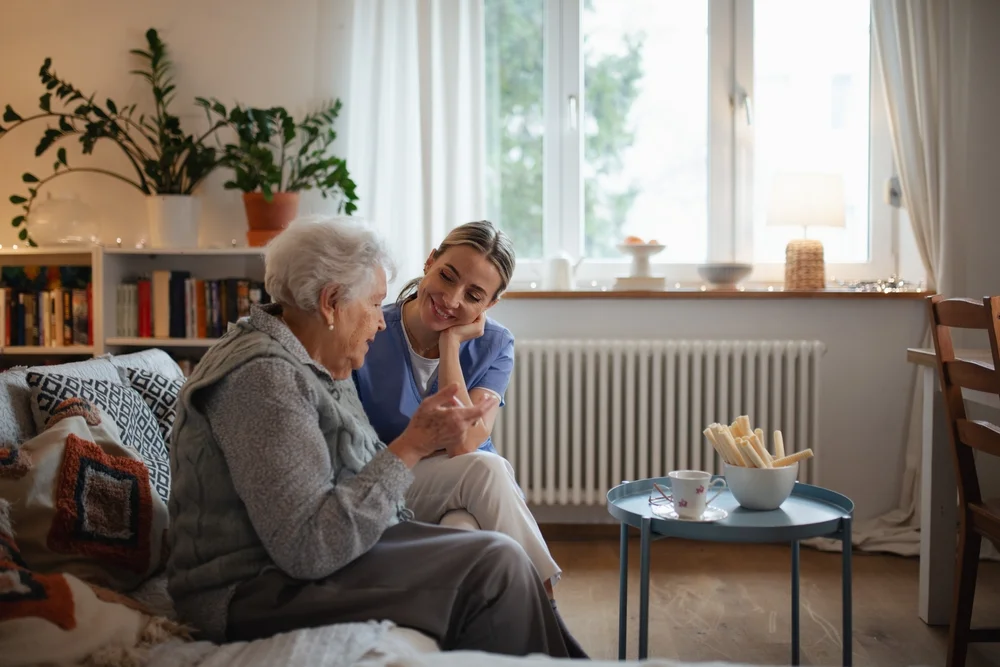
Running a care home or home care agency is not just about providing services. It is about building trust before the first conversation ever happens.
Families searching for care are not browsing casually. They are making emotional, high-stakes decisions. They are comparing providers, reading reviews, and looking for reassurance.
In 2026, care home SEO is no longer about ranking pages. It is about becoming the most trusted and visible care provider across search, maps, AI answers, and community discussions.
This guide walks you through a complete system that builds visibility, trust, and consistent inquiries.
The Care Home SEO Model in 2026
Instead of thinking in terms of keywords, think in layers of visibility.
Layer 1
Google Maps presence for immediate discovery
Layer 2
Service pages that explain care clearly
Layer 3
Trust signals such as reviews and testimonials
Layer 4
Community presence and brand recognition
Layer 5
AI visibility for informational and comparison queries
When these layers align, care homes become the default choice.
Step 1: Position Your Care Home as a Trusted Entity
Search engines and AI systems prioritize providers they understand and trust.
Your business must clearly communicate:
Who you are
What services do you provide
Where you operate
Consistency matters.
Your business name, services, and location references should match across:
• website
• Google Business Profile
• directories
• social platforms
If your entity is unclear, rankings remain unstable.
Step 2: Google Business Profile Optimization for Care Homes
Most families searching for care start with Google Maps.
Primary Category
Use:
• nursing home
• assisted living facility
• home health care service
Choose the category that reflects your primary offering.
Service Listings
List all services clearly:
• elderly home care
• dementia care
• assisted living
• palliative care
• in-home nursing
• rehabilitation support
Each service should include a clear, human-friendly description.
Reviews That Build Trust
Care home decisions rely heavily on reviews.
Focus on:
• consistent review collection
• emotional and detailed feedback
• mentions of care quality
• mentions of staff compassion
Encourage families to share genuine experiences.
Respond to every review with empathy and professionalism.
Photos That Reassure Families
Upload real visuals regularly:
• facility interiors
• patient rooms
• common areas
• staff interactions
• daily activities
Avoid stock photos.
Families want to see real environments.
Step 3: Website Structure for Home Care SEO
Your website should clearly explain every service.
Recommended structure:
Home page
Service pages
• elderly care
• dementia care
• home nursing
• assisted living
Location pages, if applicable
• home care in city one
• home care in city two
Each page should answer real questions families have.
Step 4: Service Page Depth That Builds Confidence
Each service page should include:
Clear explanation of care
Who the service is for
Benefits and outcomes
Care process
Safety measures
Staff qualifications
FAQs
Contact options
Avoid vague descriptions.
Clarity builds trust.
Step 5: Local SEO for Home Care Agencies
If your home care agency serves multiple areas, create location pages for each.
Each page should include:
Local introduction
Service coverage
Map embed
Nearby landmarks
Unique content
Do not duplicate pages.
Search engines prioritize unique local relevance.
Step 6: Content That Educates and Reassures
Families search for answers before choosing a provider.
Create content around
• how to choose a care home
• signs elderly care is needed
• cost of home care
• difference between assisted living and nursing homes
• preparing for home care services
This builds authority and trust early in the decision process.
Step 7: AI SEO for Care Homes
AI platforms are increasingly used for healthcare decisions.
People ask:
“Best care homes near me”
“How much does home care cost”
“Top assisted living facilities in city”
To appear in AI answers:
• answer questions clearly
• use structured headings
• provide direct explanations
• maintain strong reviews
• build authority signals
AI prioritizes clarity and trust.
Step 8: Community Presence and Brand Demand
Care decisions are often influenced by community discussions.
Engage in:
• local Facebook groups
• caregiver communities
• senior care forums
• LinkedIn healthcare discussions
Share helpful advice.
Avoid aggressive promotion.
Brand familiarity increases trust.
Step 9: Recovering Lost Traffic for Care Homes
If your traffic drops, avoid publishing random new content.
Instead:
• improve existing service pages
• expand FAQs
• strengthen reviews
• increase community presence
Traffic recovery often follows brand demand.
Families start searching for your name again.
Step 10: Conversion Optimization for Care Websites
Visitors must feel comfortable reaching out.
Your website should include:
• clear contact options
• consultation forms
• phone visibility
• testimonials
• trust signals
• certifications
The goal is to reduce hesitation.
Step 11: Technical SEO for Care Home Websites
Ensure your website is technically sound.
Checklist:
• fast loading speed
• mobile-friendly design
• secure HTTPS
• clean structure
• no broken links
• proper schema markup
Structured data helps search engines understand your services.
Step 12: Building Authority Through Mentions and Links
Care homes should be listed on trusted platforms.
Examples:
• healthcare directories
• senior care platforms
• local listings
• community organizations
Mentions across trusted sites improve credibility.
Care Home SEO Growth Checklist
- Optimize the Google Business Profile completely
- Maintain consistent business information
- Collect ongoing reviews
- Upload real facility photos regularly
- Create dedicated service pages
- Build location-specific pages
- Publish educational content
- Engage in local communities
- Strengthen brand searches
- Maintain technical website health
- Build local backlinks
- Improve conversion experience
The 2026 Reality for Care Home SEO
Care home SEO is no longer about ranking pages.
It is about becoming the most trusted option.
The care providers that dominate search consistently show:
Strong Google Maps presence
Active reviews
Clear service pages
Consistent citations
Community engagement
Brand recognition
AI visibility
Trust signals across platforms
When these elements align, inquiries increase naturally.
Final Perspective
Care home SEO is one of the most sensitive and trust-driven areas of local search.
Families are not just choosing a service. They are choosing care for loved ones.
The providers who communicate clearly, show real proof, and maintain strong visibility across search and community platforms become the natural choice.
SEO for care homes is not just marketing.
It is trust building at scale.