
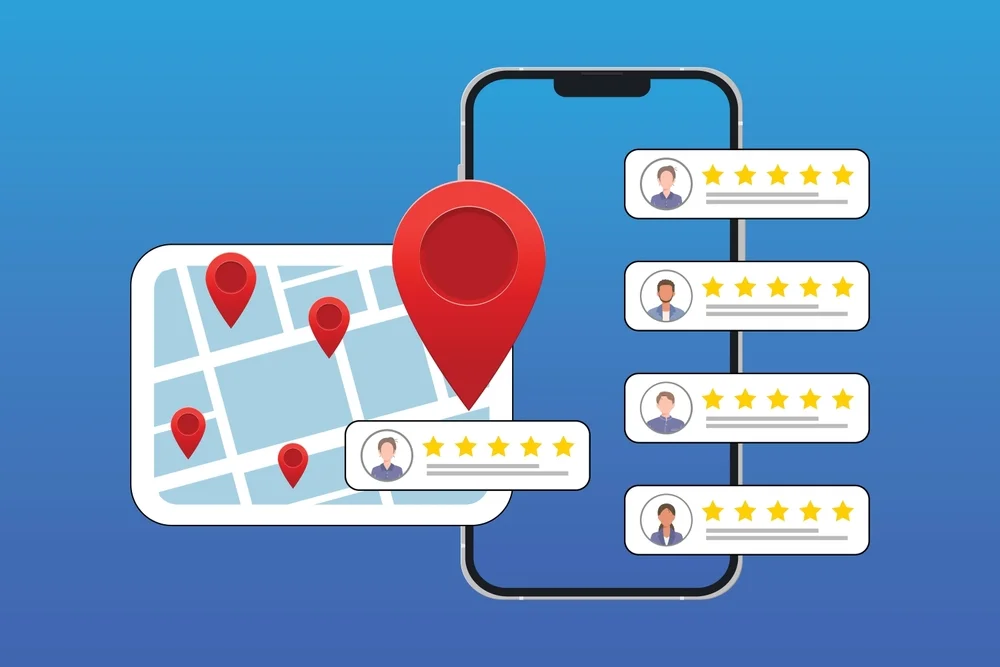
Local SEO for small business is no longer about visibility alone. In 2026, it is about being present at the exact moment a nearby customer is ready to take action.
Search behavior has changed. Customers no longer browse lists. They search with urgency, intent, and location awareness. When someone looks for a service, clinic, or shop near them, Google surfaces businesses it trusts to solve the problem immediately.
That is why local SEO has become foundational for small business growth. It connects your business with real people, in real locations, at real decision-making moments.
How Local SEO for Small Business Has Evolved
Local search did not always look like this.
In the early 2000s, visibility meant being listed in basic online directories. Around 2010, Google Maps became integrated directly into search results, reshaping how users discovered nearby businesses.
A major shift occurred with Google’s local algorithm updates in the mid-2010s, when relevance, distance, and trust signals began to outweigh keyword stuffing and directory spam.
By 2026, local SEO will incorporate:
• AI-driven understanding of business entities
• Behavioral signals such as engagement and reviews
• Voice search and conversational queries
• Personalized results based on location and intent
While the technology has evolved, the principle remains unchanged: help search engines connect nearby customers with the right business at the right time.
Why Consumer Behavior Makes Local SEO Essential in 2026
Modern consumers search locally because they expect fast answers and nearby solutions.
More than ever, searches are happening on mobile devices, via voice assistants, and on map-based interfaces. These searches often result in immediate actions, such as phone calls, directions, or bookings.
For example, when someone searches for “emergency locksmith near me,” they are not researching. They are ready to act. Ranking for these moments is where local SEO for small businesses delivers real revenue.
If your business does not appear in these results, your competitor gets the call instead.
Core Elements of Local SEO for Small Business Success
Google Business Profile Optimization
Your Google Business Profile is often the first interaction a customer has with your brand. A complete, well-maintained profile increases trust, improves map visibility, and drives direct action.
Strong profiles include:
• Accurate business information
• Clear service categories
• Updated hours and photos
• Regular posts and FAQs
• Active review responses
Businesses with optimized profiles consistently outperform those with incomplete or outdated listings.
Locally Relevant Website Content
Local SEO is not limited to maps. Your website reinforces relevance and authority.
Small businesses that publish location-focused service pages, local blog content, and region-specific FAQs perform better in both organic and map results.
Content that references real neighborhoods, service areas, and local conditions signals geographic relevance and improves conversion rates.
Consistent Local Citations
Search engines cross-reference your business details across the web. Inconsistent information weakens trust.
Accurate listings across platforms such as Google, Apple Maps, Bing, Yelp, and industry-specific directories help confirm legitimacy and improve local rankings.
Consistency matters more than quantity.
Reviews and Reputation Signals
Reviews remain one of the strongest ranking and conversion factors in local SEO.
They influence:
• Map pack visibility
• Click-through rates
• Customer trust
• AI-driven recommendations
Businesses that actively request, monitor, and respond to reviews send strong engagement signals to both search engines and users.
Service Area and Location Pages
If your small business serves multiple cities or neighborhoods, dedicated pages for each area help capture hyperlocal demand.
Well-built location pages include:
• Unique service descriptions
• Area-specific FAQs
• Local testimonials
• Clear contact details
These pages allow you to scale local visibility without confusing search engines or users.
How Local SEO Supports Different Small Business Types
Local SEO for small businesses applies across industries.
Home service companies capture urgent leads
Legal practices build trust and authority
Medical clinics attract nearby patients
Real estate professionals generate consistent inquiries
Health and wellness providers grow through reviews and proximity
If customers search for your service locally, local SEO directly impacts growth.
Data That Proves the Value of Local SEO
Recent local search studies consistently show:
• The majority of consumers use search engines to find local businesses
• Most local searches lead to offline actions within one day
• Online reviews influence trust as strongly as personal referrals
• Map pack results receive a significant share of local clicks
These outcomes translate into real revenue, not just traffic.
How AI and Voice Search Are Changing Local SEO
Search results are now personalized and conversational.
AI systems analyze context, intent, and location to determine which businesses deserve visibility. Voice searches such as “best clinic near me” or “open now” rely heavily on structured data, reviews, and proximity signals.
To stay competitive, small businesses must:
• Use structured data correctly
• Maintain mobile-friendly performance
• Publish natural language content
• Answer common local questions clearly
These optimizations help businesses appear in traditional search results, voice search results, and AI-generated answers.
The Long-Term ROI of Local SEO for Small Businesses
Local SEO compounds over time.
Unlike paid ads, which stop when budgets pause, local SEO continues delivering results once authority and rankings are established.
A small business that ranks consistently for high-intent local searches benefits from:
• Lower cost per lead
• Higher trust and conversion rates
• Sustainable growth without constant ad spend
Local SEO becomes a long-term asset rather than a recurring expense.
What Happens When Small Businesses Ignore Local SEO
Without local SEO, small businesses risk:
• Losing high intent leads to competitors
• Reduced visibility in maps and local results
• Outdated or incorrect business information
• Weak performance in AI and voice search
• Declining trust signals
Inaction creates invisible losses that compound over time.
Practical Local SEO Tips for Small Business Owners
• Fully optimize your Google Business Profile
• Build unique pages for each service area
• Encourage and respond to customer reviews
• Track performance using trusted SEO tools
• Strengthen internal linking and local signals
• Publish content around local and seasonal demand
Consistency matters more than shortcuts.
Final Thoughts: Why Local SEO for Small Business Is Non-Negotiable in 2026
If you are asking why local SEO is important for small businesses in 2026, the answer is simple.
Your customers are searching locally, often with urgency. Appearing in those moments determines whether your business grows or gets overlooked.
Local SEO is no longer optional. It is the foundation of modern small business visibility, trust, and long-term profitability.