
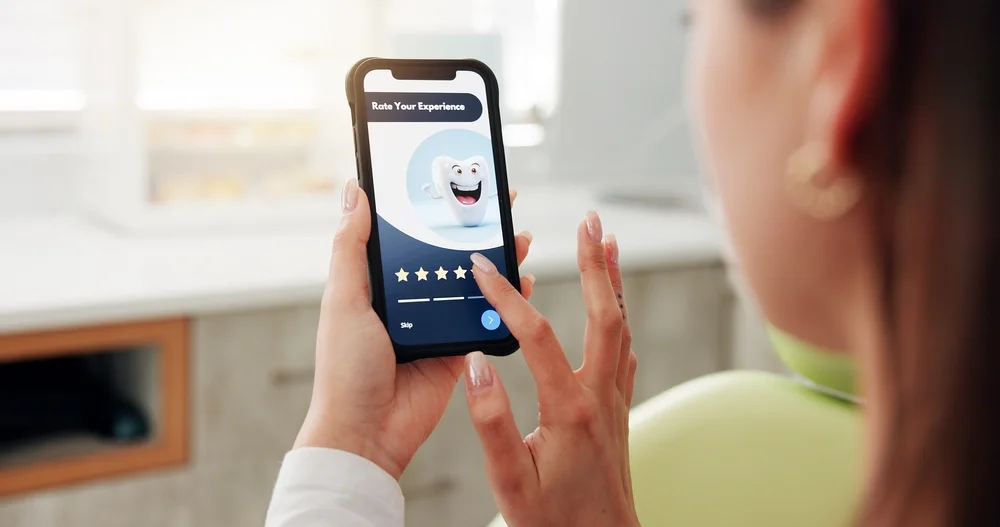
Most dental practices do not struggle because patients are unhappy.
They struggle because they lack a review system.
In 2026, Google reviews are no longer just social proof. They influence:
• Google Map Pack visibility
• AI recommendations
• Appointment conversion rates
• Brand searches
• Insurance-based trust decisions
If your dental clinic depends on new patients from Google, reviews are not optional. They are infrastructure.
This guide walks you through building a compliant, automated, and scalable Google review system for your dental practice without risking account penalties or damaging your reputation.
Why Google Reviews Matter More for Dentists Than Most Businesses
Dental care is a trust-based decision.
Patients are not choosing between ten random providers. They are asking:
Is this dentist gentle?
Are they honest about treatment?
Will I feel comfortable there?
Do other families trust them?
Google understands this.
In healthcare categories, review signals influence:
• Map Pack positioning
• AI answer inclusion
• Local intent rankings
• Click-through rates
• Appointment behavior
Practices with steady review velocity consistently outperform practices with higher total review counts but no recent activity.
If you are investing in Local SEO for Dentists, reviews are the highest-leverage growth lever.
The 2026 Dental Review Reality
Here is what has changed:
• Google prioritizes review freshness
• AI systems analyze sentiment patterns
• Keyword stuffing inside reviews does not help
• Bulk review spikes look suspicious
• Review gating can trigger penalties
The goal is not volume.
The goal is consistent, natural, ongoing patient feedback.
The Automated Dental Review System Framework
Instead of asking randomly, build a system.
Step 1: Define the Exact Moment to Ask
The best time to request a review is:
• Immediately after a positive appointment
• Right after treatment completion
• Following a successful follow-up visit
• After cosmetic results reveal
Train your front desk and hygienists to recognize emotional highs.
If a patient says:
“That was easier than I expected.”
“Thank you, that didn’t hurt at all.”
“I love the results.”
That is the trigger moment.
Step 2: Use SMS Automation Within 2 Hours
In 2026, email alone will be too slow.
Best practice:
• Send an automated SMS within 2 hours
• Include a direct Google review link
• Keep the message short and personal
• Use the dentist’s name
Example:
“Thank you for visiting [Practice Name] today. If you had a great experience, we’d truly appreciate your feedback here: [direct link]. It helps other families find trusted care.”
No friction. No extra clicks.
Step 3: Generate a Direct Review Link
Inside Google Business Profile:
• Go to “Ask for reviews”
• Copy the short URL
• Embed into SMS system
• Add to email templates
• Add to QR codes
Never send patients to your homepage and expect them to find the review button.
Remove friction.
Step 4: Install an Ongoing Automation Platform
Manual review requests fail over time.
Use:
• Dental CRM automation
• Patient management software integrations
• Third-party automation tools
• Text reminder systems
Automation ensures:
• Every patient is asked
• No staff memory reliance
• No inconsistent timing
• Review velocity stays stable
The key is predictability.
How Many Reviews Does a Dental Practice Need
There is no magic number.
Instead, focus on:
• Outpacing nearby competitors monthly
• Maintaining 4.6+ rating average
• Keeping fresh reviews within the last 30 days
• Building steady velocity
In competitive cities, 8–15 new reviews per month can dramatically shift Map Pack positions.
Consistency beats bursts.
The 7 Review Multipliers Most Dentists Miss
1. Train Your Team With a Script
Not pushy. Just natural.
Example:
“If you found today helpful, would you mind sharing your experience on Google? It really helps other patients feel comfortable choosing us.”
Scripts reduce awkwardness.
2. Use Physical QR Review Cards
Place:
• At checkout
• In treatment rooms
• On appointment reminder cards
QR codes remove friction for in-office patients.
3. Ask for Photo Reviews
Patients who love cosmetic results often share photos.
Photo reviews:
• Increase trust
• Improve click-through rates
• Strengthen engagement signals
• Influence AI answer systems
Do not require photos. Encourage naturally.
4. Respond to Every Review Within 24 Hours
Google tracks owner responses.
Best practice:
• Thank positive reviewers
• Address concerns calmly
• Avoid PHI disclosure
• Keep responses professional
Active management builds authority signals.
5. Never Gate Reviews
Review gating means:
Asking happy patients to leave reviews and filtering unhappy ones.
This violates Google policy.
Instead:
Ask everyone equally.
Handle negative feedback privately if needed.
6. Use Review Language Insights
Look for patterns in patient wording:
• “gentle dentist”
• “great with kids”
• “honest pricing”
• “clean office”
These phrases naturally reinforce your dental SEO marketing messaging across your website.
Let patients define your positioning.
7. Align Reviews With Your Service Pages
If you offer:
• Invisalign
• Dental implants
• Emergency dentistry
• Cosmetic veneers
Encourage patients to mention the service naturally.
Never script exact wording.
But when patients mention treatments, it strengthens service relevance.
How Reviews Influence AI Search in 2026
AI systems pull from:
• Google Maps
• Reviews
• Third-party directories
• Website signals
When AI answers:
“Best family dentist near me”
It analyzes:
• Rating
• Volume
• Review freshness
• Sentiment
• Consistency
Review automation is now AI optimization.
Handling Negative Reviews the Right Way
Negative reviews are not ranking killers.
Unmanaged ones are.
Proper response format:
- Acknowledge concern
- Invite offline resolution
- Avoid defensiveness
- Maintain HIPAA compliance
Never argue publicly.
Often, professional responses increase trust more than five-star ratings.
Integrating Reviews Into Your Website
Your website should display:
• Embedded Google review widgets
• Structured Review schema
• Testimonials on service pages
• Before and after case highlights
This strengthens conversion rates.
It also supports your broader dentists’ SEO strategy without duplicating content.
Multi-Location Dental Practices
If you operate multiple offices:
• Each location must have its own Google Business Profile
• Each location needs its own review velocity
• Do not merge review strategies
• Build location-specific automation
Centralized review funnels can distort local signals.
Keep each office autonomous in Google’s eyes.
Advanced Automation Layer for 2026
Top-performing practices use:
• Automated SMS sequences
• Post-treatment follow-ups
• NPS surveys before review requests
• Internal staff incentives (not patient incentives)
• Dashboard tracking review velocity
Track monthly:
• New reviews
• Average rating
• Review response time
• Top sentiment keywords
• Competitor review growth
Measure momentum.
How Reviews Convert Into New Patients
Here is what happens when review systems are stable:
• Click-through rate increases
• Map Pack rankings stabilize
• Brand searches rise
• Phone calls increase
• Insurance-driven patients feel safer choosing you
This is why reviews are not a side tactic.
They are the growth engine inside dental SEO.
The 90-Day Dental Review Growth Plan
Month 1
Automation installed
Team trained
Direct links created
QR codes placed
Baseline metrics recorded
Month 2
Consistent review flow begins
Responses within 24 hours
Competitor velocity monitored
Month 3
Service-based review mentions increase
Map Pack movement begins
AI visibility strengthens
Steady compounding starts here.
Final Perspective
Most dental practices wait for reviews.
Winning practices build systems.
If you want your clinic to dominate Maps, earn AI recommendations, and convert searchers into booked appointments, review automation must be operational.
Strong reviews reinforce your broader dentists’ SEO strategy.
They also amplify your dental marketing efforts without increasing ad spend.
If you build the system once and maintain consistency, the momentum becomes self-sustaining.
That is how dental practices grow predictably in 2026.