
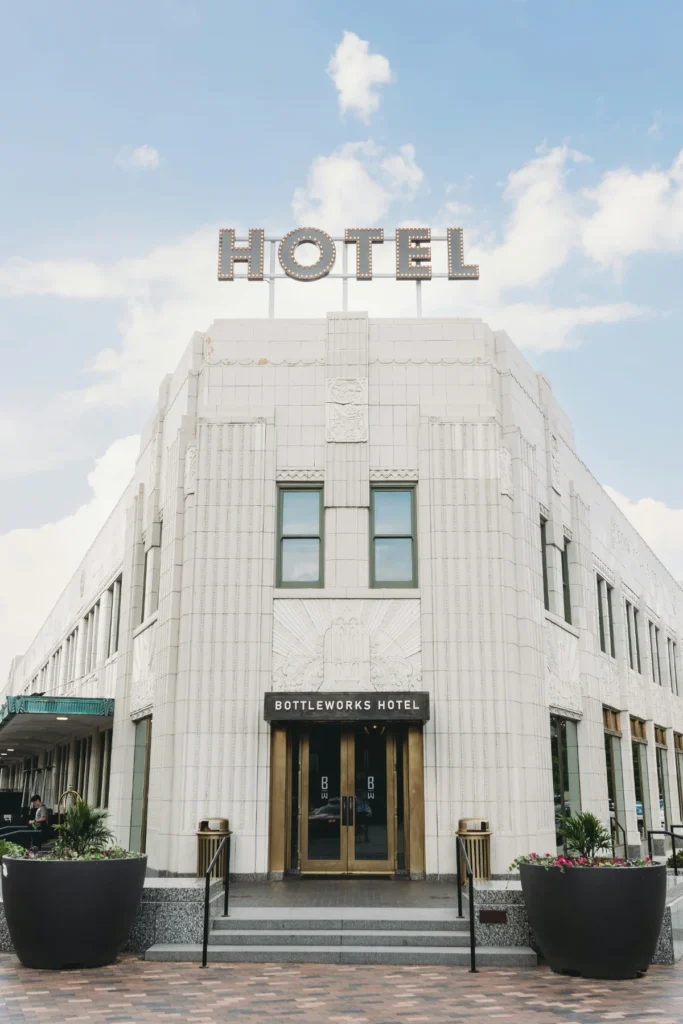
Hotels no longer compete only on rooms.
They compete on visibility, reputation, and discoverability across search engines, travel platforms, and AI systems.
When travelers search in 2026, discovery happens across multiple surfaces:
• Google Maps and the Map Pack
• Organic search results
• Google AI Overviews
• ChatGPT, Gemini, and Perplexity recommendations
• Booking platforms like Booking.com and Expedia
• Review platforms such as TripAdvisor and Yelp
• Travel blogs and tourism websites
• Community discussions and social platforms
Local SEO for hotels is no longer about ranking a homepage for “hotel in city.”
It is about building a recognizable hospitality brand that search engines and AI systems trust and recommend.
This guide explains the complete system.
How Hotel Discovery Works in 2026
Search engines do not evaluate only your website.
They evaluate your entire digital footprint.
For hotels, Google connects signals from:
• Your official website
• Google Business Profile
• Booking platforms such as Booking.com and Expedia
• TripAdvisor listings
• Yelp reviews
• Social media accounts
• Tourism board websites
• News articles and travel blogs
• YouTube videos
• Community discussions
If the information across these platforms is inconsistent, the search engine struggles to trust the entity.
The foundation of hotel SEO is entity clarity and consistency.
The Core Systems That Drive Hotel SEO in 2026
Hotels that dominate local search win across eight systems.
- Google Business Profile dominance
- Hospitality website architecture and booking conversion design
- Landmark and attraction visibility strategy
- Reputation and review velocity management
- Brand distribution across travel platforms
- AI search compatibility and structured content
- Technical SEO stability
- Media authority and visual discovery signals
Every tactic in this guide connects to one of these systems.
1. Google Business Profile Dominance
Google Business Profile is the strongest visibility asset for hotels.
For many travelers, it acts as the first booking interface.
Core Profile Setup
Your profile must include:
• Exact hotel name
• Primary category set as Hotel
• Accurate address and map location
• Local phone number
• Website link
• Booking links
Secondary categories can include:
• Resort hotel
• Boutique hotel
• Extended stay hotel
• Business hotel
Avoid adding irrelevant categories.
Hotel Amenities and Attributes
Google allows hotels to specify amenities.
Add details such as:
• Free WiFi
• Pool
• Spa
• Parking
• Breakfast availability
• Fitness center
• Accessibility features
Complete attributes improve engagement and booking intent.
Photo and Visual Strategy
Hotels should upload real photos regularly.
Recommended images:
• Exterior building views
• Lobby and reception
• Guest rooms
• Bathrooms
• Dining areas
• Event spaces
• Pool and outdoor amenities
Authentic property photos increase click-through rates.
Avoid stock images.
Google Business Profile Engagement
Post regular updates such as:
• Seasonal travel promotions
• Event announcements
• Restaurant specials
• Wedding venue availability
• Renovation updates
Active profiles receive stronger visibility signals.
2. Hospitality Website Architecture and Booking Conversion
Most hotel websites are designed visually but lack SEO clarity.
Your website must serve both travelers and search engines.
Core Pages Every Hotel Needs
• Homepage
• Location page optimized for the city
• Rooms and suites page
• Amenities page
• Dining page if applicable
• Events and weddings page
• Meetings and conference page
• Nearby attractions page
• Contact page
Each page should answer common guest questions.
Example improvement:
Instead of
Luxury Rooms
Use
Luxury Hotel Rooms in Downtown Miami With Ocean Views
Clear context improves search visibility.
Direct Booking Optimization
Hotels must reduce reliance on online travel agencies.
Optimize pages for queries like:
• book hotel directly in [city]
• official website hotel booking
• best hotel rate downtown
Encourage direct bookings through:
• best rate guarantees
• loyalty benefits
• free upgrades
• flexible cancellation policies
Local SEO without conversion optimization wastes traffic.
Conversion Design
Above the fold, your website should show:
• hotel name and positioning
• location
• booking button
• phone number
• review rating
After a reservation, redirect users to a confirmation page offering:
• spa services
• restaurant reservations
• event packages
• local attraction recommendations
This increases revenue per guest.
3. Landmark and Attraction Visibility Strategy
Hotel searches are strongly tied to nearby landmarks.
Travelers rarely search only “hotel in city.”
They search based on destinations.
Common queries include:
• hotel near airport
• hotel near convention center
• hotel near stadium
• hotel near hospital
• hotel near university
• hotel near beach
Create dedicated pages such as:
Hotel Near Miami Airport
Hotel Near Convention Center Miami
Hotel Near South Beach
Each page should include:
• distance to the landmark
• transportation options
• parking details
• ideal guest type
• embedded Google map
This strategy captures high-intent travel searches.
4. Reputation and Review Velocity
Hotels generate large numbers of reviews.
The mistake many hotels make is ignoring review management.
Google prioritizes recent reviews and consistent feedback.
Review Acquisition
Encourage reviews through:
• post-stay email requests
• QR codes in rooms
• front desk reminders
• loyalty programs
Focus on steady review growth.
Review Responses
Respond to every review.
Effective responses include:
• thanking the guest
• referencing their experience
• inviting them back
Mention amenities or location when appropriate.
The most recent 90 days of reviews heavily influence visibility.
5. Brand Distribution Across Travel Platforms
Hotels appear across many discovery platforms.
Consistency across these platforms strengthens trust in entities.
Important platforms include:
• TripAdvisor
• Yelp
• Booking.com
• Expedia
• Hotels.com
• Apple Maps
• Bing Places
• Tourism board websites
• Chamber of Commerce listings
Ensure your hotel information is identical across all platforms.
Mentions are valuable even without links.
6. AI Search Compatibility
AI search systems increasingly recommend hotels directly.
Travel queries often look like:
• best boutique hotels in Austin
• family-friendly hotels near Disneyland
• hotels near convention center Chicago
AI systems reference entities rather than individual pages.
• structure content clearly
• include question-based headings
• provide concise answers before expanding
• maintain strong review sentiment
• ensure consistent brand signals across platforms
AI search visibility depends heavily on traditional SEO strength.
7. Technical SEO Stability
Hospitality websites often suffer from technical issues.
Technical SEO ensures search engines can crawl and understand the site.
Core checklist:
• secure HTTPS
• fast mobile loading speed
• XML sitemap submitted
• canonical tags implemented
• no broken booking links
• structured data implemented
• proper redirect management
• mobile-friendly design
Mobile performance is especially important because most travel searches occur on smartphones.
Structured Data for Hotels
Structured data helps search engines understand hotel details.
Implement the following schema types:
• Hotel schema
• LocalBusiness schema
• Organization schema
• FAQ schema
• Review schema
• Event schema for conferences and weddings
• GeoCoordinates schema
• OpeningHoursSpecification
Structured data improves rich search results and AI interpretation.
8. Media Authority and Visual Discovery
Hotels benefit greatly from visual content.
Travel decisions are highly visual.
Video Strategy
Create videos such as:
• room tours
• property walkthroughs
• drone exterior footage
• event venue showcases
• behind-the-scenes hospitality experiences
Upload to YouTube and embed on the website.
Backlink and Media Mentions
High-value hospitality backlinks include:
• travel blogs
• tourism publications
• event sponsorships
• wedding directories
• city guides
Relevance matters more than link volume.
Avoid generic link-building networks.
Community Distribution Strategy
Hotel visibility grows beyond search engines.
Distribute helpful travel content through:
• Reddit travel communities
• city-specific subreddits
• Facebook travel groups
• Quora travel discussions
• LinkedIn hospitality conversations
Always provide value before linking.
Community discussions strengthen brand trust.
Recovering Lost Hotel Traffic
Traffic drops happen when algorithms shift or brand signals weaken.
The correct recovery process:
• identify previously high-performing pages
• improve content depth
• strengthen internal linking
• increase brand mentions
• distribute content externally
Recovery usually follows a pattern:
brand searches increase
impressions stabilize
traffic grows again
map rankings stabilize
Most recoveries occur within 60 to 90 days.
Measuring Hotel SEO Success
Track metrics that relate to bookings rather than traffic.
Key metrics include:
• Google Business Profile calls
• direction requests
• website booking conversions
• brand search volume
• AI referral traffic
• map pack rankings
• revenue per booking
Traffic alone does not measure success.
Bookings and revenue do.
The Future of Local SEO for Hotels
Hotel SEO in 2026 is multi-channel visibility.
Successful hotels appear across:
• Google Maps
• organic search
• AI answers
• travel platforms
• community discussions
• review platforms
• brand searches
Hotels that behave as recognizable hospitality brands dominate.
Hotels that chase keywords disappear.
Local SEO for hotels is no longer about ranking pages.
It is about building a trusted, discoverable hospitality entity that search engines, travel platforms, and AI systems consistently recommend.